


In the modern internet landscape, communication has expanded beyond face-to-face interactions to a vast, interconnected digital ecosystem. Social media platforms, professional networks, discussion forums, and messaging apps enable instant sharing of ideas, opinions, and information. However, the ease of communication also comes with responsibilities. Ethical digital communication is essential for fostering trust, respect, and constructive engagement in online communities. Understanding the principles, challenges, and strategies for ethical behavior is vital for every web user.
Why Ethical Communication is Crucial
The digital world amplifies messages rapidly. One careless comment, misleading post, or insensitive response can spread widely, impacting reputations, relationships, and communities. Ethical communication ensures that interactions are respectful, truthful, and considerate of others’ perspectives. It builds credibility, strengthens professional networks, and fosters positive online spaces where dialogue and learning can flourish.
Without ethical guidelines, digital interactions can lead to misinformation, harassment, polarization, and decreased trust. By adhering to ethical principles, users contribute to safer and more inclusive digital environments, enhancing the overall quality of online discourse.

Responsible communication online builds trust and strengthens communities.
Core Principles of Ethical Digital Communication
Ethical digital communication rests on several foundational principles that guide responsible behavior:
1. Honesty and Accuracy: Always strive for truthfulness. Avoid sharing unverified information, rumors, or misleading statements. Fact-check before posting or commenting.
2. Respect for Others: Consider the perspectives, cultures, and experiences of others. Avoid language that can harm, belittle, or intimidate fellow users.
3. Privacy Awareness: Respect others’ privacy by not sharing personal information without consent. Be mindful of sensitive topics and confidential content.
4. Accountability: Take responsibility for your digital footprint. If a mistake occurs, acknowledge it and correct it promptly.
Challenges in Online Communication
Communicating ethically online is not without challenges. The anonymity of the internet can sometimes embolden negative behavior, while the lack of non-verbal cues can lead to misunderstandings. Cultural differences may affect interpretation, and algorithmic amplification can intensify the reach of harmful content. Recognizing these challenges allows users to navigate digital spaces thoughtfully and mitigate potential risks.
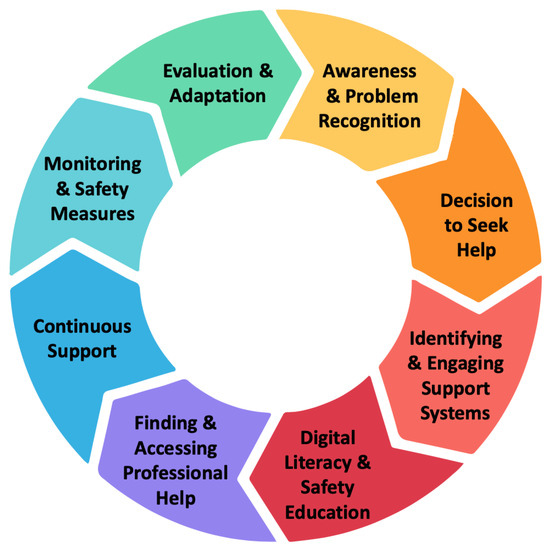
Awareness of digital challenges helps promote responsible interactions.
Strategies for Ethical Engagement
Practical strategies can help users consistently maintain ethical standards online:
Active Listening: Pay attention to others’ viewpoints before responding. Avoid assumptions and clarify meaning when needed.
Constructive Feedback: Frame critiques respectfully. Focus on ideas rather than personal attacks.
Positive Contributions: Share insights, knowledge, and resources that add value to conversations and communities.
Mindful Sharing: Pause before posting to consider the accuracy, relevance, and potential impact of your content.
Promoting Digital Empathy
Empathy is the cornerstone of ethical communication. Understanding and acknowledging the emotions, experiences, and challenges of others fosters meaningful dialogue. Digital empathy reduces conflicts, encourages cooperation, and strengthens online relationships. By putting yourself in the shoes of other users, you can respond thoughtfully, avoid unnecessary disputes, and contribute to a supportive digital environment.
“Ethical communication is not just about words; it’s about respect, empathy, and the responsibility we hold in the digital world.” – Web Users Guild
Balancing Transparency and Privacy
Being open and transparent in online communication is important for trust-building. However, it must be balanced with privacy considerations. Avoid oversharing personal or sensitive information that could compromise yourself or others. Ethical digital users understand the boundaries of transparency, sharing what is necessary while respecting confidentiality.

Balancing openness and privacy fosters trust in digital interactions.
Conclusion
Ethical digital communication is a vital skill in today’s interconnected world. By adhering to principles of honesty, respect, empathy, and accountability, users can create positive, trustworthy, and constructive online spaces. Challenges will always exist, but with mindfulness and deliberate practices, digital interactions can become meaningful, educational, and inclusive. Web Users Guild encourages all users to adopt these ethical practices to strengthen the quality of conversations and build a safer, more responsible internet community.
Leave a Reply