


The modern internet is built upon countless websites and digital platforms that shape how users access information, communicate, learn, work, and manage daily activities. From educational portals and government services to social networks, business tools, and entertainment platforms, websites serve as the primary gateways to the digital world. Nearly every online interaction begins with a website or platform interface, making them fundamental to modern digital life.
Despite their importance, many users engage with websites intuitively, rarely considering how they are structured, how information is delivered, or why certain features behave the way they do. This lack of understanding can lead to confusion, poor decision-making, or misplaced trust. Developing awareness of website architecture and platform behavior empowers users to navigate digital environments with clarity, confidence, and responsibility.
What Is a Website?
A website is a collection of interconnected web pages that are stored on a server and accessed through a unique domain name. These pages are created using web technologies such as HTML for structure, CSS for visual styling, and JavaScript for interactivity. Together, these technologies allow content to be displayed consistently across different devices and browsers.
Websites can be static, displaying fixed content, or dynamic, updating information automatically based on user input or system processes. They may provide information, offer services, enable communication, or support transactions. While designs and purposes vary widely, all websites rely on standardized protocols that allow browsers to retrieve, interpret, and present content accurately.

Websites rely on standardized technologies to structure, style, and deliver content online.
Understanding Digital Platforms
Digital platforms go beyond traditional websites by providing interactive environments where users can actively participate. These platforms often allow users to create accounts, publish content, communicate with others, collaborate on projects, or access personalized services. Examples include social media networks, online learning platforms, e-commerce marketplaces, and cloud-based productivity tools.
Unlike basic websites, platforms depend heavily on databases, real-time data processing, and automated systems. User activity continuously shapes platform behavior, influencing recommendations, visibility, and engagement. Algorithms play a significant role in organizing content, which makes it essential for users to understand that what they see online is often curated rather than neutral or random.
Front-End and Back-End Explained
The front-end of a website or platform refers to the visual and interactive elements users directly engage with. This includes layouts, menus, buttons, images, forms, and text. A well-designed front-end improves usability, accessibility, and overall user experience.
The back-end operates behind the scenes, handling data storage, user authentication, content management, and system logic. When a user logs in, submits information, or requests content, the back-end processes these actions and sends appropriate responses to the front-end. Understanding this separation helps users recognize why delays, errors, or verification steps sometimes occur.
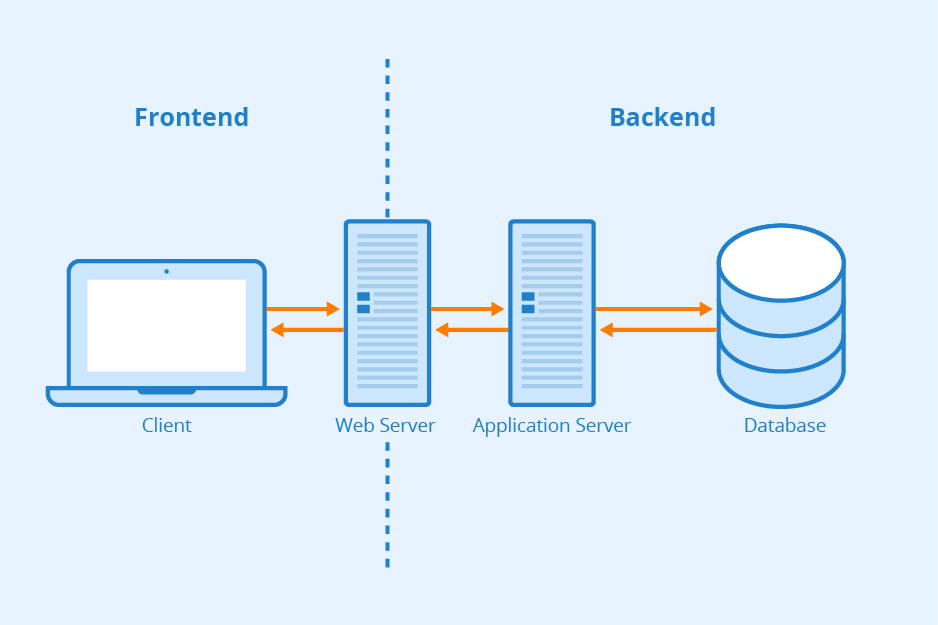
User-facing interfaces are supported by backend systems that manage data and functionality.
User Accounts and Data Interaction
Many digital platforms rely on user accounts to personalize experiences and manage access to services. When users create profiles, upload content, or interact with features, data is collected and stored within the platform’s systems. This data may include personal details, preferences, usage patterns, and communication history.
Understanding how platforms handle user data encourages responsible online behavior. Reviewing privacy settings, understanding permissions, using strong authentication methods, and being mindful of shared information helps users maintain control over their digital presence and reduce potential risks.
“Knowing how platforms work helps users interact with confidence rather than assumption.” – Web Users Guild
Why Website Awareness Matters
Website and platform awareness enables users to recognize legitimate services, identify misleading designs, and understand how information is presented and prioritized. It reduces vulnerability to deceptive practices, improves critical evaluation of online content, and supports informed decision-making.
Informed users are better prepared to adapt to new technologies, evaluate unfamiliar platforms, and contribute constructively to digital communities. This awareness promotes ethical engagement, respectful interaction, and responsible web use across diverse online environments.
Conclusion
Websites and digital platforms are the foundational structures of the internet experience. While they may appear simple on the surface, they operate through complex systems that influence how information is accessed, shared, and interpreted. Understanding these fundamentals equips users to navigate the digital world with confidence and discernment.
WebUsersGuild encourages users to build this foundational knowledge as part of their digital literacy journey, fostering safer, more ethical, and more informed participation in today’s evolving online landscape.
Leave a Reply