

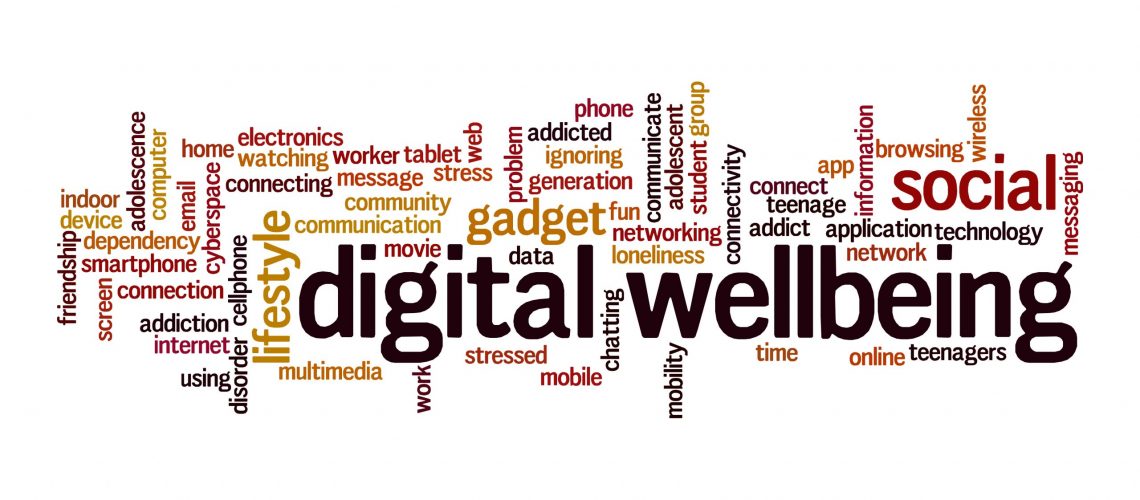
In today’s digital-first world, screens are constantly at our fingertips. Smartphones, laptops, tablets, and TVs serve as portals to work, learning, communication, and entertainment. While these tools enhance productivity and connection, prolonged or unintentional screen time can negatively affect mental, emotional, and physical wellbeing. Digital wellbeing, the art of balancing online engagement with offline life, is now an essential skill for every internet user.
Why Digital Wellbeing Matters
Digital wellbeing isn’t simply about cutting down screen time-it is about creating intentional, mindful interactions with technology. Unchecked digital consumption can result in fatigue, stress, sleep disruption, and a decline in productivity. The constant inflow of notifications, emails, and social media updates contributes to what experts call “attention residue,” leaving individuals mentally fragmented and less present in real-world activities.
Conversely, cultivating digital wellbeing promotes focus, creativity, and emotional resilience. By establishing intentional online practices, users can leverage technology effectively while avoiding its potential pitfalls. It fosters a sense of control, ensuring that digital tools serve you rather than dominate your life.

Balanced digital habits allow for more focus, creativity, and mental clarity.
Recognizing Digital Fatigue
Digital fatigue manifests in many forms-eye strain, headaches, irritability, difficulty concentrating, and even disrupted sleep patterns. The phenomenon often goes unnoticed because excessive screen use has become normalized. Understanding the symptoms is the first step to establishing healthier habits.
Common causes include constant social media scrolling, multitasking across multiple apps, late-night work sessions, and over-reliance on notifications. When your mind is continuously stimulated, it struggles to process information effectively, leading to cognitive overload and emotional stress.
Practical Steps to Enhance Digital Wellbeing
Developing a sustainable digital routine requires a combination of practical actions and conscious mindfulness. The following strategies provide a comprehensive approach:
1. Schedule Screen-Free Intervals: Designate certain periods each day for offline activities. Use mealtime, morning routines, and evening wind-downs to disconnect from devices and focus on personal well-being.
2. Mindful Engagement: Approach online activities with purpose. Before opening an app or website, ask yourself if it adds value to your day or distracts from meaningful tasks.
3. Limit Notifications: Disable unnecessary notifications to reduce cognitive interruptions. Consider using “Do Not Disturb” modes during focused work or family time.
4. Track Your Usage: Many devices offer screen time analytics. Review your patterns to understand where adjustments are needed. Awareness is a key driver of behavioral change.
5. Integrate Physical Activity: Combine offline exercises, short walks, or stretching to counterbalance extended periods of sitting and reduce screen-induced fatigue.

Mindful use of digital tools helps prevent fatigue and promotes wellbeing.
Creating Healthy Online Habits
Healthy online habits are built gradually. Start by identifying platforms that contribute positively to your goals and mental health. Limit passive consumption, such as endless scrolling, and prioritize active, purposeful engagement, like educational content, professional networking, or creative projects.
Building boundaries with family and friends can also enhance your wellbeing. Encourage collective screen-free time, shared outdoor activities, and conversation without device interruptions. This reinforces balance not only individually but within communities as well.
Fostering Mindful Digital Communities
Responsible digital engagement extends beyond personal use. Supporting communities with thoughtful contributions, respectful communication, and conscious content sharing strengthens the overall online environment. Sharing tips, promoting awareness, and modeling healthy behavior can inspire others to adopt similar practices, amplifying digital wellbeing across networks.
“Technology should serve you, not overwhelm you. Balance is the key to a healthy digital life.” – Digital Wellbeing Advocate
Maintaining Work-Life Integration Online
With remote work and constant connectivity, separating professional and personal life has become more challenging. Establish clear boundaries: set work hours, limit after-hours emails, and create device-free zones in your home. Incorporate offline hobbies and personal interests to maintain mental clarity, emotional balance, and a sense of control over your digital environment.
Conclusion
Digital wellbeing is a continuous journey that combines awareness, mindfulness, and practical strategies. By managing screen time intentionally, engaging in purposeful online activity, and fostering healthy habits within communities, users can enjoy technology while safeguarding their mental, emotional, and social health. Web Users Guild provides guidance, tools, and educational resources to empower users to navigate the digital world responsibly, confidently, and ethically.
Leave a Reply