
The internet is woven into nearly every aspect of modern life, shaping how people communicate, learn, work, shop, and participate in global conversations. From sending a simple message to accessing cloud-based tools or streaming educational content, digital interactions have become deeply embedded in everyday routines. Yet, despite this constant use, many users engage with online platforms without fully understanding the systems that operate behind the scenes.
This lack of foundational knowledge can lead to confusion, misplaced trust, and increased exposure to digital risks. Gaining a clear understanding of how the internet works empowers users to navigate online spaces with confidence, recognize potential issues, and make informed decisions. Digital awareness begins with understanding the infrastructure, processes, and shared responsibilities that shape the online world.
The Internet as a Global Network
The internet is not owned, controlled, or operated by a single entity. Instead, it is a vast, decentralized network composed of millions of interconnected computers, servers, data centers, and networking devices distributed across the globe. These systems communicate using standardized protocols that allow information to move seamlessly across borders and platforms.
Physical infrastructure forms the backbone of this global network. Fiber-optic cables, undersea communication lines, satellites, cellular towers, and wireless networks work together to transmit data at remarkable speeds. Internet service providers, content delivery networks, and infrastructure operators collaborate to ensure consistent connectivity across regions.
This decentralized design enhances the internet’s resilience and scalability. If one route becomes congested or unavailable, data can be redirected through alternative paths. This adaptability allows the internet to continue functioning even during technical failures, natural disruptions, or localized outages.
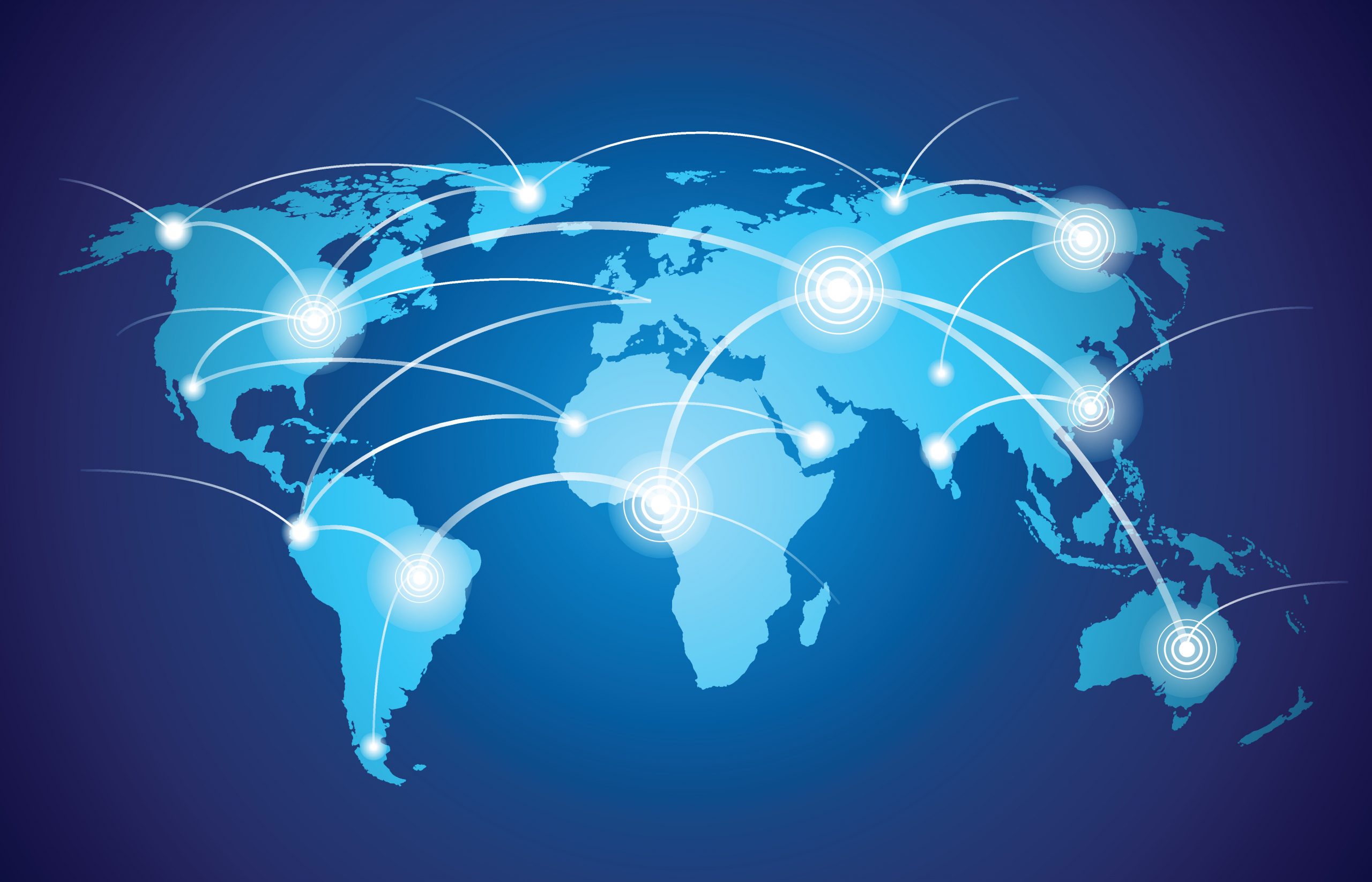
The internet connects devices worldwide through a decentralized network of systems.
How Information Travels Across the Internet
When users perform actions online-such as opening a website, sending an email, or uploading a file-information is broken into small units known as data packets. Each packet contains pieces of the original data along with routing information that helps guide it to its destination.
These packets travel independently through routers and networks, often taking different paths based on network traffic, efficiency, and availability. Once the packets reach their destination, they are reassembled in the correct order, allowing the original information to appear seamlessly on the user’s device.
Transmission protocols like TCP/IP play a crucial role in this process. They ensure data integrity, verify delivery, manage errors, and maintain communication reliability. Without these protocols, digital communication would be inconsistent, unreliable, and prone to loss or corruption.
The Role of Servers and Websites
Websites, applications, and online services are hosted on servers-powerful computers designed to store data, process requests, and deliver content continuously. These servers operate within data centers that are optimized for performance, security, and uptime.
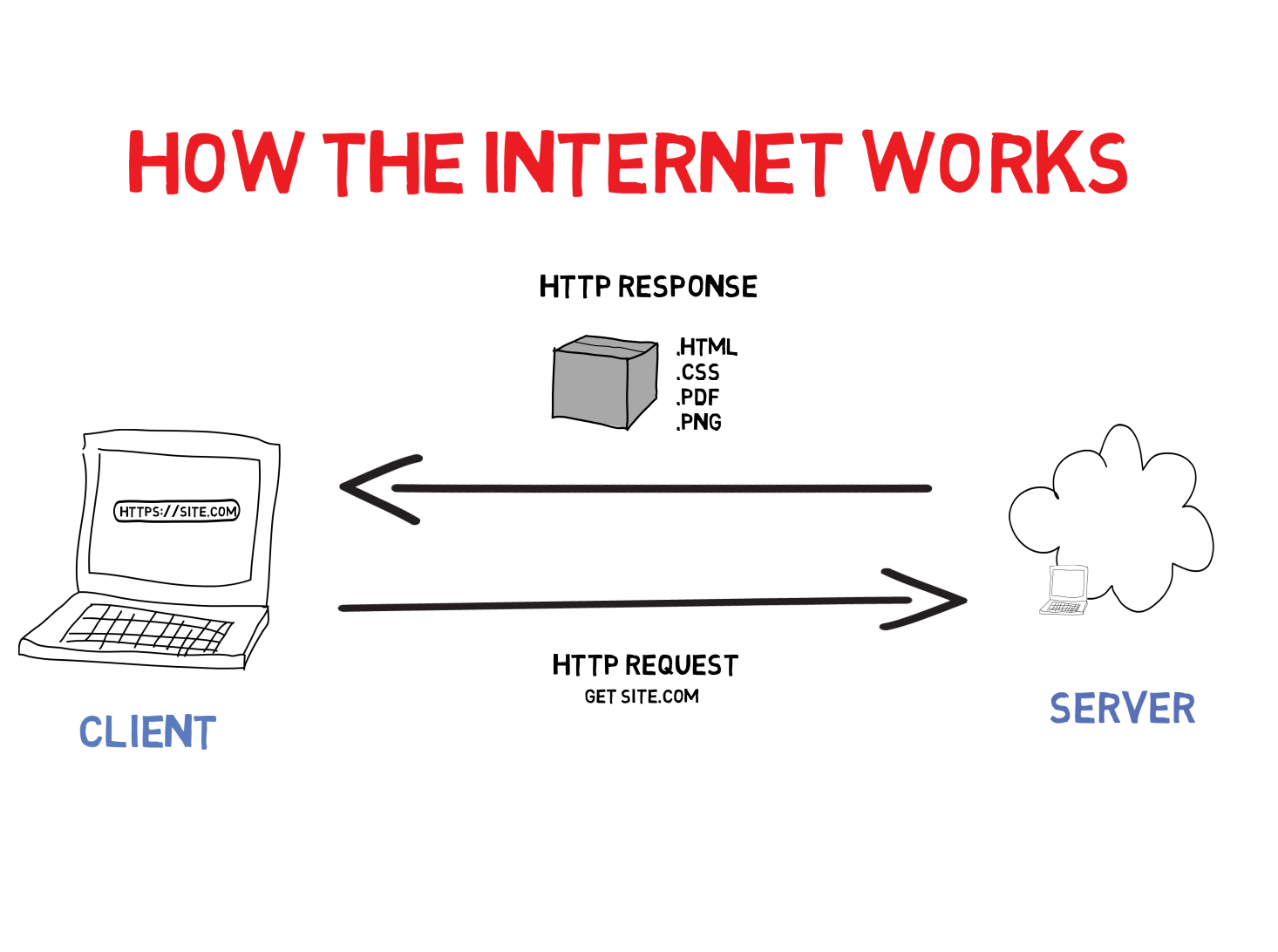
When a user enters a website address into a browser, a request is sent to locate the appropriate server hosting that content. The Domain Name System (DNS) translates the human-readable domain name into a numerical IP address, allowing the request to reach the correct destination without requiring users to understand technical identifiers.
Once the server receives the request, it responds by sending the necessary files-such as text, images, and scripts- back to the user’s browser. The browser then interprets and displays this information, creating the visual and interactive experience users recognize as a website.
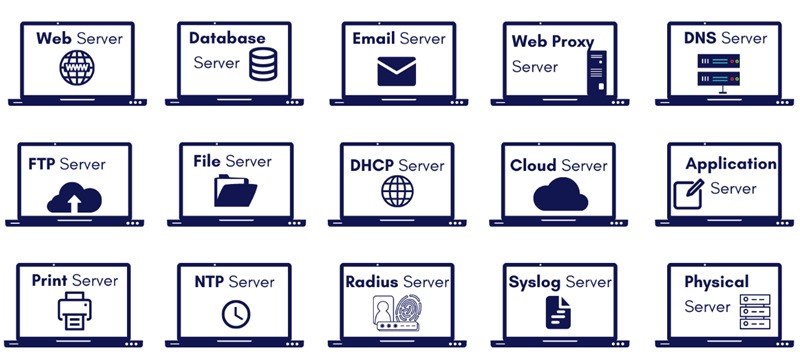
Servers store, process, and deliver digital content to users around the world.
Why Understanding the Internet Matters
Understanding how the internet functions helps users recognize why security measures, privacy settings, and safe browsing practices are essential. It provides clarity on how data is shared, where vulnerabilities may arise, and why certain online behaviors carry risks.
This foundational knowledge also supports ethical and responsible internet use. Users who understand the shared nature of digital infrastructure are more likely to respect online communities, verify information before sharing, and engage thoughtfully across platforms. Awareness reduces susceptibility to misinformation and strengthens trust in credible digital resources.
“Digital awareness begins with understanding the systems that power our online experiences.” – Web Users Guild
Conclusion
The internet is a complex yet accessible system that enables global communication, collaboration, and knowledge sharing. While its underlying infrastructure may seem invisible, it plays a vital role in shaping every online interaction. By understanding how the internet works, users gain the tools needed to navigate digital spaces confidently and responsibly.
WebUsersGuild encourages individuals to build this foundational understanding as a step toward safer, more ethical, and informed internet use. Empowered users contribute positively to the digital ecosystem, strengthening trust, awareness, and shared responsibility across the global web.
Leave a Reply